Encouraging Outdoor Recreation and Neighborliness
More research supports the connection between the physical environment and neighborhood social relations, and adds to our understanding about specific features that draw both old and young outdoors.

More research supports the connection between the physical environment and neighborhood social relations, and adds to our understanding about specific features that draw both old and young outdoors.
McMahon reviews his extensive experience in urban planning to link city character and economic vibrancy.
Strano and his colleagues report on “the empirical analysis of a unique data set regarding almost 200 years of evolution of the road network in a large area located north of Milan (Italy).”
How does street design influence the activities of humans along that road?
Nearby nature—new research reveals the difficulties of enticing working adults and children into outdoor spaces, but it also hints at solutions.
Thoughtfully classifying public space and privately-owned spaces accessible to the public can lead to a clearer analysis of the design context and help optimize the design solution.
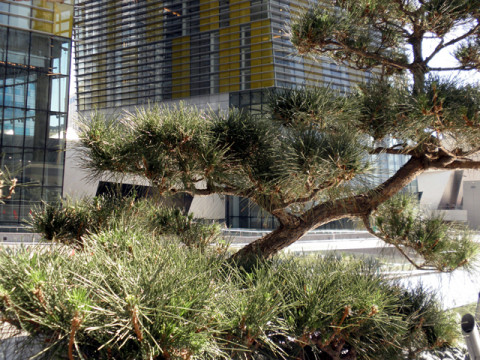
How can we create cities that make us healthy and happy? Researchers are answering that question with unique studies, from how trees affect pregnancy outcomes to the importance of designing cities for young people.
When assessing neighborhoods, maintenance is a key factor.
Designers and planners increasingly work on complicated, multi-stakeholder projects. Behavioral economics, a sub-discipline of economics that focuses on how people actually behave (as opposed to the prevailing “rational actor” economic theories that propose how people should behave), provides insights and approaches to help designers and planners better understand stakeholders’ perspectives and achieve successful outcomes. This articlee was originally published in 2011.
There is a new resource for designing urban environments for those with poor eyesight.