Art Labels That Make a Difference (02-12-13)
Previous research has shown that the way that art is labeled influences how positively or negatively people respond to it (for example, see https://researchdesignconnections.com/pub/review-scientific-research-aes...). Swami learned that “the provision of relevant, elaborate, and content-specific information results in better understanding of abstract artworks, which in turn is associated with better aesthetic appreciation.” An example of content-specific information was provided. Text accompanying an image detailed that the viewers would: “’be present
- Any Designed Environment
- Design Preferences
- Enhance Experience
- Enhance Satisfaction/Quality of Life
- Art
- Framework for Reaction to Place
- Aesthetics
- architecture psychology
- design psychology
- design research
- design science
- environment behavior
- environmental psychology
- interior design psychology
- place advantage
- place science
- sensory science
Adults and Kids and Art (02-11-13)
Krentz and Earl learned that infants and adults prefer the same sorts of abstract art – images with high visual contrast and moderate visual complexity. They conclude that “although we cannot make the claim that these preferences are innate, we can suggest that their emergence in the first 6 months of life are both biologically based and driven by exposure to highly reliable sources of visual information from the environment.”
Values of Art (10-23-12)
Michael Findlay, well known internationally as an art dealer, has written a practical review of the “values” of art.
- Blogs 2012
- Blog Article
- Any Designed Environment
- Enhance Experience
- Enhance Satisfaction/Quality of Life
- Art
- Framework for Reaction to Place
- Aesthetics
- Design Process and Issues
- architecture psychology
- design psychology
- design research
- design science
- environment behavior
- environmental psychology
- interior design psychology
- place advantage
- place science
- sensory science
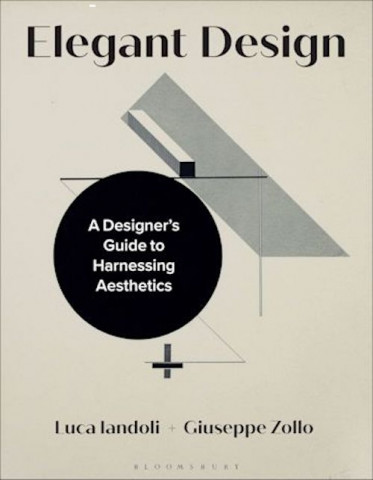
Review of Scientific Research on Aesthetics

How does aesthetics influence our reactions to museum art and, by extension, objects and environments?
The Shape of Green: Aesthetics, Ecology, and Design
This book usefully reviews the link between aesthetics and truly sustainable design at all scales, from easily portable objects to entire cities.
2012. Lance Hosey. Island Press: Washington, DC.
Feeling Architecture: Classic Article
This work is a classic because its discussion of the visceral experience of environments is simultaneously thorough, philosophical, and lyrical.
Changing Influence of Aesthetics (06-14-12)
Sonderegger and his colleagues studied how aesthetics influence the perceived usability of products, and their findings can reasonably be extrapolated to other contexts, such as designed spaces.
- Blogs 2012
- Blog Article
- Any Designed Environment
- Enhance Experience
- Enhance Satisfaction/Quality of Life
- Aesthetics
- architecture psychology
- design psychology
- design research
- design science
- environment behavior
- environmental psychology
- interior design psychology
- place advantage
- place science
- sensory science
The Science of Experiencing Art
Neuroscience behind the experience of art.
The Power of Color
A number of recent studies address the psychological ramifications and power of color. In general, color can add much to work and indoor spaces, as well as influence other perceptions.
Everything Adds Up
How can experiences be more intense?